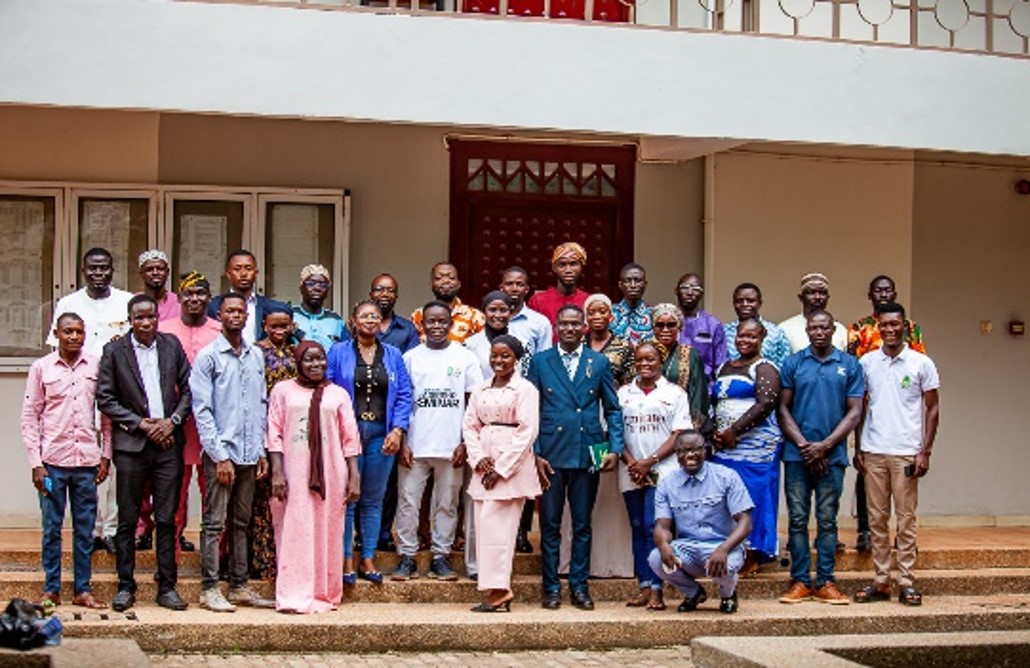
The Institute for Distance and Continuing Learning of the University for Development Studies (UDS-IDCL) has marked a significant milestone in its student governance journey with the formal handover of leadership from the outgoing Students’ Representative Council (SRC) executives to a newly elected administration.
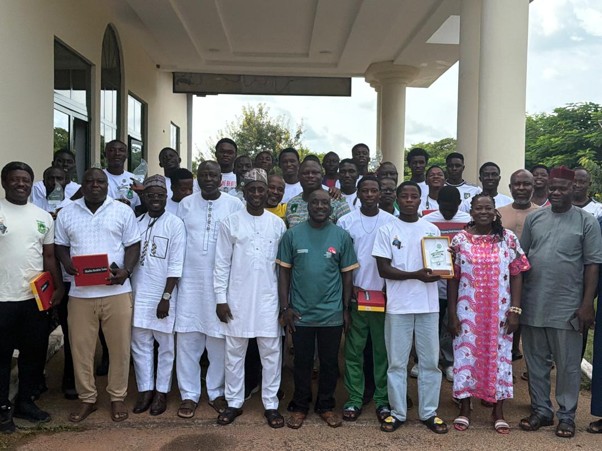
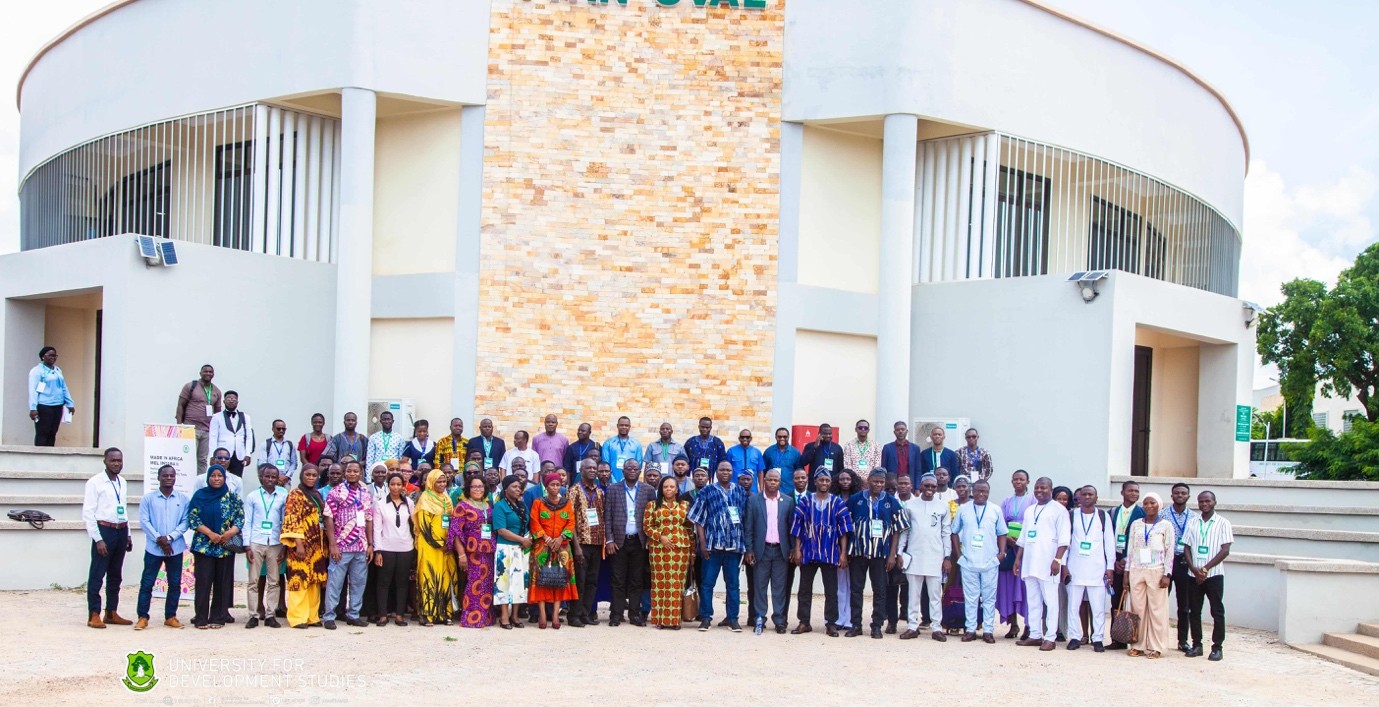
The ceremony, attended by University officials, IDCL management, outgoing and incoming SRC executives, zonal representatives and students, provided an opportunity to reflect on the achievements of the previous administration and outline a renewed vision for inclusive, accountable and transformative student leadership across the Institute’s study centres.
In his farewell address, the outgoing IDCL SRC President, Mr. Abdul Kudus Alhassan, described leadership as a journey of service and responsibility.
“Leadership is a relay race where your primary duty is to run your lap with integrity and pass the baton cleanly to the next generation,” he stated.
Mr. Alhassan noted that leading a diverse student body comprising working professionals, parents, entrepreneurs and other learners across Tamale, Yendi, Bimbilla, Sandema and several zonal centres required purposeful and responsive leadership.
He explained that the central objective of his administration was to bridge the gap between IDCL students and the University’s central administration, while ensuring that distance-learning students remained fully connected to the wider UDS community.
The outgoing administration highlighted several achievements recorded during its tenure, including the establishment and inauguration of the IDCL SRC General Assembly—the first of its kind in the history of distance education at UDS.
According to Mr. Alhassan, the General Assembly represented a major shift from centralised decision-making towards participatory and democratic student governance. It also provided a constitutional platform through which students from the various centres could present their concerns and contribute to decisions affecting their academic and social welfare.
The administration also procured computers, printers and projectors for the IDCL City Campus and central offices to strengthen administrative work and support hybrid teaching and learning.
Other achievements included the organisation of a mop-up course-registration exercise during the 2024/2025 academic year, which ensured that IDCL students were registered and their results uploaded despite challenges relating to outstanding fees.

The administration also facilitated the issuance of identification cards to first-year students for the 2024/2025 academic year and collaborated with the IDCL Directorate and the Office of the Dean of Students to organise the Institute’s first leadership seminar.
Mr. Alhassan acknowledged that some continuing students were yet to receive their identification cards due to administrative and logistical challenges. He therefore urged the incoming administration to sustain engagement with University Management to resolve outstanding concerns.
He further called on the new executives to pursue approval for an increase in SRC dues, complete pending projects across the zones and ensure that students in remote satellite centres enjoyed the same sense of belonging and institutional support as their counterparts on the University’s main campuses.
The incoming IDCL SRC President, Mr. Ibrahim Alhassan, described the transition as a covenant to honour the achievements of the past, critically assess the present and commit to building a stronger future for the Institute.
He commended the outgoing executives for laying a solid foundation under challenging circumstances and pledged that the new administration would consolidate the gains made. “You laid the bricks. We must raise the walls,” he said.
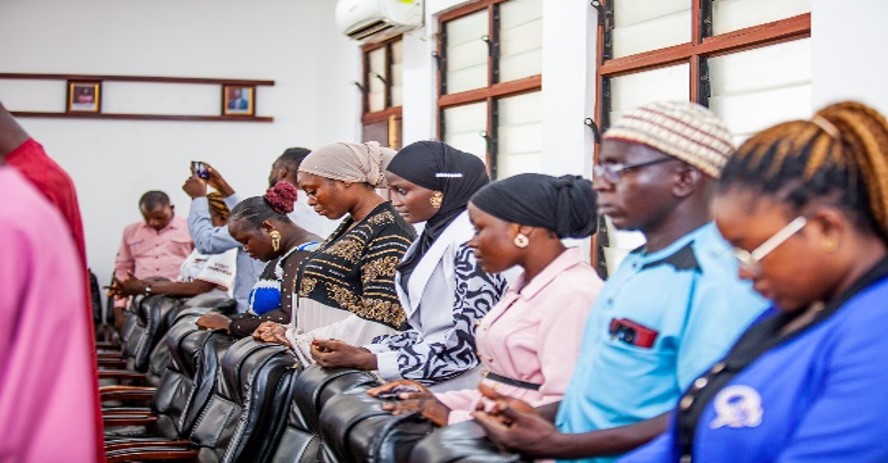
Mr. Alhassan emphasised the need for unity among students and executives across all IDCL centres, noting that while members of the Institute might differ in opinion, they must remain united in their commitment to advancing the collective interests of students.
He said the administration would prioritise sustainable systems over temporary interventions, move from complaints to practical solutions and deepen collaboration among the various zones.
The new leadership also pledged to protect and strengthen the newly established General Assembly to ensure that it remained a credible and enduring platform for democratic participation, accountability and student representation.
Mr. Alhassan appealed to the Office of the Dean of Students and the IDCL Directorate to continue guiding and supporting the new executives as they assumed their responsibilities.
Assuring students of the administration’s commitment to their welfare, he declared: “If not us, who? If not now, when?”
He pledged that the executives would serve faithfully, listen attentively and lead responsibly throughout their tenure.
Addressing the gathering, the Dean of Students, Dr. Haruna Umar, charged the newly sworn-in executives to recognise themselves as the foundation of a new era in distance education at UDS.
He urged them to build upon the progress made by the outgoing administration through transparent, innovative, disciplined and accountable leadership.
Dr. Umar observed that IDCL had moved beyond the period when its student governance structures were informally managed and was now recognised by University Management as an important stakeholder in the development and education of students.
“The management of IDCL and the Dean of Students’ Office have wholeheartedly accepted you as stakeholders in building modern minds and providing the best quality education we can have in this part of the country,” he stated.
The Dean commended the outgoing administration for establishing a formally constituted General Assembly across the Institute’s zones, procuring essential equipment and organising a leadership seminar for student leaders.
He described the General Assembly as the beginning of meaningful decentralisation and democratic governance within the Institute.
According to him, the structure would ensure that students’ concerns and development priorities were generated from the various centres and communicated through appropriate representative channels, rather than being determined by a limited number of individuals.
Dr. Umar advised the incoming executives to structure their programmes around what he described as a “33-33-34 formula.” Under the proposed model, 33 per cent of their projects should focus on human-capacity development and seminars, another 33 per cent on student leisure and mental well-being, and the remaining 34 per cent on logistics and initiatives that directly improve the teaching and learning experience.
He reminded the executives that their responsibility was to facilitate solutions rather than create additional challenges for students and the University.
The Dean cited progress made in addressing course-registration difficulties, issuing identification cards to first-year students and synchronising IDCL’s academic calendar with the University’s information technology systems.
He explained that the Institute’s expanding programmes and multiple academic calendars required continuous adjustments to the University’s digital systems to ensure that all students received equitable access to registration and other academic services.
“We are suffering because of our own successes,” he remarked, referring to the operational demands created by the Institute’s continued growth.
Dr. Umar further encouraged the executives to be magnanimous in victory by embracing useful ideas from their opponents and involving other students in the implementation of programmes.
He advised them to move beyond election celebrations and immediately begin the work for which they had been elected.
Outlining seven principles to guide the new administration, the Dean identified transparency and accountability, effective communication, perseverance and resilience, innovation, self-discipline, responsibility and respect as essential attributes of successful leadership.
On the administration of student finances, Dr. Umar reminded the executives that IDCL SRC dues stood at GH¢25 per student, considerably lower than the amount paid by students on the regular campuses.
He explained that any proposal to increase the dues would have to follow the appropriate parliamentary and administrative processes.
“To whom much is given, much is expected,” he cautioned.
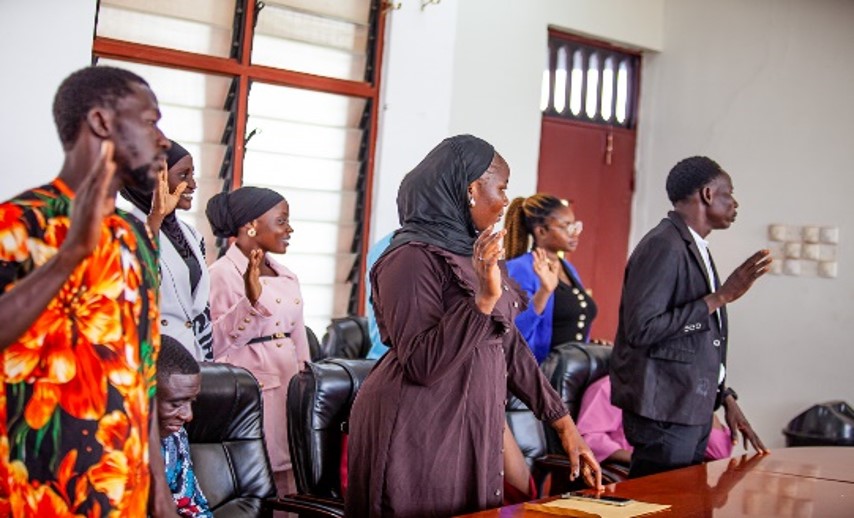
As part of measures to strengthen coordination and representation across the various study centres, the Dean announced the establishment of an IDCL Zone Executives Council.
The Council will serve as a central coordinating body comprising the presidents and secretaries of the Institute’s zones.
The ten-member body will elect an interim IDCL Central President and a Secretary to coordinate engagements between student representatives, the Office of the Dean of Students and the IDCL Directorate.
Dr. Umar encouraged the incoming leaders to learn from the experiences of their predecessors, maintain productive professional relationships and promote trust and loyalty within their teams.
“I have no doubt that you have the tools to succeed,” he said. “Next year by this time, we will be here listening to a litany of successful programmes that this executive group will have achieved.”
The outgoing and incoming administrations reaffirmed their commitment to protecting the gains made in student governance and strengthening the General Assembly as an enduring platform for inclusive representation across all IDCL centres.
The ceremony ended with renewed calls for unity, responsible leadership and collective service to the Institute and the University.
Long live the IDCL SRC!
Long live the University for Development Studies!
Knowledge for Service!
Story by:
Hamdan Wumpeka Amadu
UDS Media
View your student profile, register your courses, etc.
Access learning material on the University's e-Learning platform
Access the University library's resources
Search for and view staff profile